


|
Getting your Trinity Audio player ready...
|
Did you know that over 90% of companies worldwide are already utilizing or exploring artificial intelligence to drive their business forward? As AI technologies evolve at an unprecedented pace, they are reshaping how brands engage customers, optimize operations, and innovate in today’s fast-paced market.
AI is transforming business and brand growth by enabling faster, smarter, and more data-driven decision-making across industries. But what does this mean for your brand’s growth? How can you leverage AI’s capabilities to stay ahead of shifting consumer preferences and market trends? AI offers numerous benefits, including automation, efficiency, and improved decision-making, while also presenting new challenges and ethical considerations.
And importantly, how do you balance the power of AI with the human insight that defines your brand’s unique voice? These questions are at the heart of understanding AI’s transformative role in brand growth, and they set the stage for unlocking its full potential in your business.
Definition of AI in Brand Growth
AI in brand growth is the strategic use of AI-powered tools and AI solutions to automate insight generation, personalize customer experiences, and accelerate data-driven brand decisions.
What Is AI in Brand Growth?
In simple terms, artificial intelligence (AI) in brand growth uses advanced technologies like machine learning, natural language processing, and predictive analytics to turn vast customer data into actionable insights. Many brands leverage AI products from leading companies to drive efficiency and innovation, enabling refined targeting, faster innovation, and personalized experiences at scale while adapting quickly to market changes.
AI systems simulate human intelligence to perform complex tasks such as learning, reasoning, and content creation. They analyze structured and unstructured data (from historical sales and customer service interactions to social media and feedback) to uncover patterns and predict customer behavior. Analytical AI helps optimize processes, reduce costs, and boost revenue by enabling data-driven decisions without heavy human input.
This allows brands to move beyond traditional methods, embracing continuous, real-time optimization that enhances customer connections and sustainable growth. AI automates repetitive tasks, freeing human workers for complex work, and audits content across platforms to maintain a consistent brand voice and identity.
How AI Enhances Brand Strategy
1. Precision Targeting Through Micro-Segmentation
AI’s ability to process vast amounts of consumer data enables brands to identify highly specific audience segments based on behavioral, contextual, and psychographic signals. This micro-segmentation is the foundation of personalized marketing, where AI technology is used to deliver tailored, relevant content and experiences to individual customers at scale.
AI enables brands to deliver highly tailored content and experiences to individual users based on their past interactions and predicted behavior. This micro-segmentation allows you to tailor messaging and offers that resonate deeply with each group, improving engagement and maximizing marketing ROI.
2. Automating Repetitive Tasks to Boost Efficiency
From campaign testing to content personalization workflows, AI-powered tools automate time-consuming and repetitive tasks. This frees your team to focus on strategic, creative work that drives innovation and brand differentiation.
3. Predictive Analytics for Smarter Decision-Making
Leveraging historical data and machine learning algorithms, AI uses predictive modeling to analyze customer data, identify trends, segment audiences, and predict behaviors such as churn. AI also leverages real-time data to provide immediate insights into customer behavior, enabling rapid adjustments to marketing strategies.
Brands use AI-driven predictive analytics to forecast future market trends and customer demand, allowing for proactive adjustments. AI can predict future customer actions, campaign performance, and market trends, helping marketers optimize budgets and adjust strategies proactively.
These predictive insights equip you to make proactive, risk-calibrated decisions that optimize outcomes and shorten experimentation cycles.
4. Generative AI for Creative Acceleration
Generative AI models can produce copy variants, imagery, and A/B test candidates, accelerating creative throughput without sacrificing quality. AI content tools are solutions that streamline content creation and help maintain brand consistency across channels.
AI can also assist in generating written, visual, and video content, helping marketers save time while maintaining consistency and relevance. This technology supports scaling content production while maintaining brand consistency and editorial oversight.
AI in Business Operations: Streamlining the Backbone of Brand Growth
AI is quietly transforming how you run your business, working behind the scenes to fuel your brand’s growth. When you deploy smart AI tools, you free your team from repetitive work (data entry, inventory tracking, basic customer questions) so they can focus on the strategic thinking that sets you apart from competitors.
Generative AI takes your customer engagement to the next level. It watches how your customers behave and crafts personalized marketing that speaks directly to them. These systems dig through your customer data, sales history, and service conversations to reveal what your customers really want and where trends are heading.
This insight helps you sharpen your brand strategy, streamline operations, and make smarter decisions that boost both efficiency and customer satisfaction. Your supply chain gets smarter too. AI spots bottlenecks you might miss and predicts what you’ll need before you run short. It streamlines your logistics and cuts costs you didn’t even know you had.
The result? You save money and build a more responsive business that adapts quickly when markets shift. But here’s what matters most as you embrace AI: keeping your values at the center. Your AI needs to be fair, transparent, and free from bias. Protecting customer data isn’t optional, it’s how you build trust.
Real-World Applications and Case Insights
Coca-Cola
Consider Coca-Cola, which used AI-driven message testing to increase their launch click-through rates by identifying the highest-performing slogans across distinct segments. AI can streamline message testing by analyzing the effectiveness of different marketing messages across various channels and audience segments.
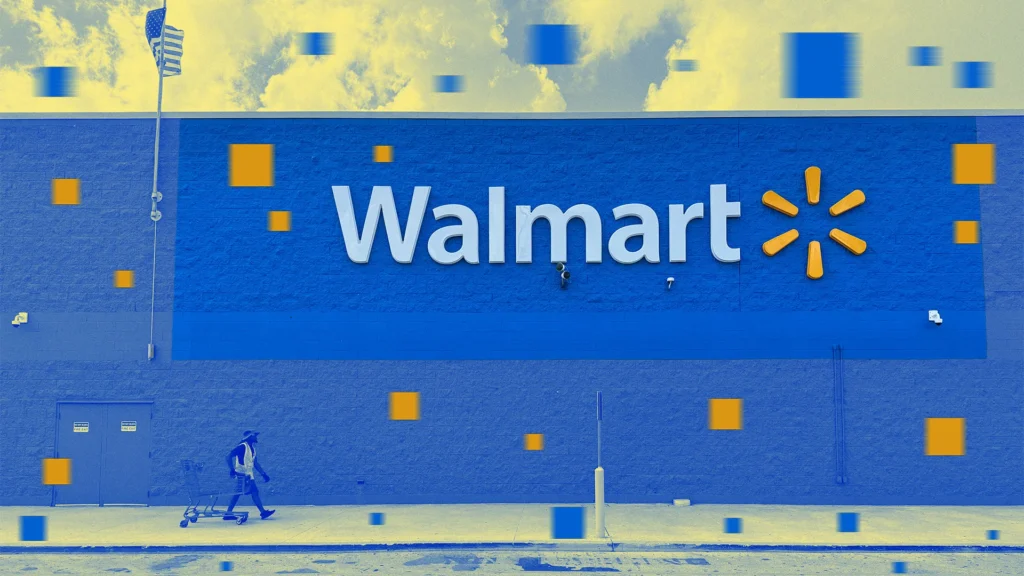
Walmart
Similarly, Walmart has employed predictive inventory models to reduce stockouts and markdowns, resulting in measurable improvements in gross margins. AI also enhances customer experience by analyzing customer interactions in real time, enabling businesses to deliver personalized responses and predict customer behavior.
Sephora
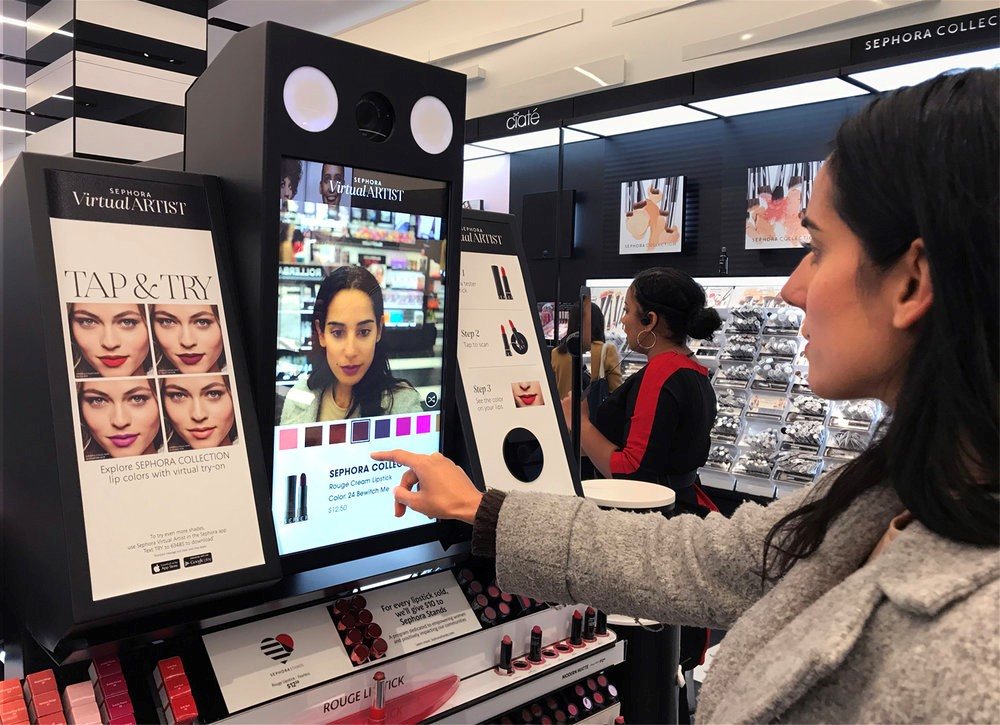
Sephora utilize AI-powered chatbots to streamline customer service processes, making them more efficient and responsive to customer needs, while providing 24/7 support through automated responses.
In marketing, brands like Nike use AI-powered social media management tools to optimize engagement and automate routine tasks, allowing them to enhance customer engagement through data-driven insights. These examples illustrate how AI’s strategic application can deliver tangible business value.
Implementing AI in Your Brand Growth Strategy
1. Start with High-Impact Pilots
Focus on pilots that demonstrate quick ROI—such as sentiment monitoring, personalized email sequencing, or message testing. These initiatives build internal confidence and provide valuable learnings for broader adoption.
2. Prioritize Data Governance and Integration
Ensure your AI models are trained on diverse, audited datasets and that data governance frameworks are in place. This safeguards data quality and reproducibility, reducing risks of biased or inaccurate outputs.
3. Upskill Teams for Intelligent Oversight
Equip your creative and strategy teams with AI literacy to move beyond vendor dependency. Human judgment remains critical for positioning, creative leadership, and ethical oversight.
4. Scale with Platformed Solutions
Integrate successful pilots into scalable AI platforms that seamlessly connect with your existing marketing technology stack and measurement systems.
5. Ethical and Operational Considerations
AI is only as good as the data it processes. Poor data quality or biased datasets can distort insights and damage brand reputation.
AI-driven personalization can foster brand loyalty by enhancing customer relationships and engagement, aligning brand messaging with audience needs, and increasing customer retention.
Disclosing the use of AI to consumers can help build trust, which is vital for long-term brand equity. Transparency and consent are crucial for ethical AI use, especially regarding how consumer data is collected and utilized.
Measuring the Impact of AI on Brand Growth
Track key performance indicators such as:
- Engagement uplift (CTR, time on page)
- Conversion and revenue increases
- Efficiency gains (reduced cycle times and costs)
- Long-term brand health metrics like net promoter score and market share
These measures provide a comprehensive view of AI’s contribution to your brand’s success.
The Future of AI in Brand Growth and Business Transformation
Looking ahead, your brand’s future with AI is both electric and full of promise. As these technologies evolve, you’ll have access to tools that can read market shifts, anticipate what your customers crave, and craft messages that hit home every single time.
You’ll find AI becoming the heartbeat of your innovation. It helps you stay three steps ahead of competitors and pivot gracefully when markets shift.
When you transform your data into real value, you position your brand for success that lasts, no matter how the marketplace shifts and changes.
At its core, using AI in your business isn’t about the technology itself. It’s about nurturing innovation, making decisions rooted in data, and consistently delighting your customers.
Act now to harness AI’s full potential, and you’ll secure an advantage that competitors will struggle to match while shaping the future of how brands grow.
Conclusion
AI is no longer a futuristic concept but a present-day catalyst for brand growth. By strategically integrating AI-powered tools and solutions, you can transform how your brand understands customers, innovates, and competes.
The journey begins with clear objectives, quality data, and human expertise working in harmony with AI’s capabilities. Embrace this evolution thoughtfully, and you’ll position your brand not just to keep pace but to lead in an increasingly dynamic marketplace.
In the near future, AI will play an even more strategic role in shaping marketing campaigns, customer engagement, and brands by providing real time insights and deeper understanding of customer preferences. Leveraging generative AI tools and advanced ai algorithms, businesses can unlock substantial cost savings while improving customer satisfaction and delivering superior customer experiences.
By adopting robust ai strategies, marketing leaders and business leaders alike can gain a competitive edge that drives business innovation and sustainable growth. Ultimately, the brands that successfully blend human judgment with AI-powered intelligence will secure a lasting competitive advantage in the evolving landscape of brand growth and business transformation.
Frequently Asked Questions FAQ
What types of AI tools should I prioritize for brand growth?
Start with listening tools that analyze customer feedback and social media, experimentation platforms for message testing, and personalization engines that tailor content based on user behavior. These tools deliver measurable impact quickly and integrate well with existing systems.
Will AI replace human roles in brand strategy?
No. AI automates routine tasks and enhances data analysis, but human judgment remains vital for creative leadership, ethical decision-making, and nuanced brand positioning.
How soon can I expect ROI from AI initiatives?
Typically, pilots aligned with clear KPIs and quality data inputs show measurable results within 3 to 6 months.
How do I prevent AI from amplifying bias in brand decisions?
Conduct regular audits, use diverse and representative datasets, and involve diverse stakeholders in reviewing AI outputs to minimize bias and ensure fairness.
How can I ensure ethical AI use in branding?
Maintain transparency about data collection and usage, comply with privacy laws like GDPR and CCPA, and keep human oversight in place for sensitive or high-stakes decisions.